
Residential Roof Leak Repair Petaluma Ca
Need Residential Roof Leak Repair in Petaluma?
A small stain on the ceiling, a damp attic, or a few missing shingles can be easy to ignore—until the next rain makes the problem worse.
Roof leaks rarely stay limited to the exact spot where water first appears. Water can travel along roof decking, framing, insulation, and interior surfaces before becoming visible inside the home. By the time you notice a brown ceiling mark or peeling paint, moisture may already have reached areas that need attention.
TIG Construction provides residential roof leak repair in Petaluma, CA, helping homeowners address roofing problems before they turn into larger repairs.

A proper roof repair starts with finding the source of the water rather than simply covering the visible damage. Depending on the situation, the issue may involve damaged shingles, deteriorated roofing materials, cracked flashing, roof penetrations, aging sealants, drainage problems, or other areas where water can enter.
We look at the condition of the roofing system and the surrounding areas to determine what type of repair makes practical sense.
For some homes, a targeted repair may be enough. For an older or extensively damaged roof, replacement may be the more sensible long-term option. The right approach depends on the roof’s age, condition, previous repairs, extent of damage, and the homeowner’s goals.
If you’ve noticed water coming through the ceiling or signs of moisture around your roof, don’t wait for the next storm to find out whether the problem has gotten worse.
Roof Problems We Help Homeowners Address
Roof Leaks
A roof leak can develop around many different areas of a home. Potential sources include:- Damaged or missing shingles
- Cracked roofing materials
- Worn areas around roof penetrations
- Damaged flashing
- Deteriorated sealants
- Roof valleys
- Areas around vents and other openings
- Water drainage issues
Damaged Shingles
Shingles can become cracked, lifted, missing, or otherwise damaged over time. A few damaged shingles may sometimes be repaired without replacing the entire roof. However, if damage is widespread or the roofing system is approaching the end of its useful life, a larger solution may make more sense. For homeowners searching for a shingle roof repair contractor in Petaluma, CA, the first step is determining whether the problem is isolated or part of a broader roofing issue.Roof Flashing Problems
Flashing helps direct water away from vulnerable transitions and openings in the roof. It can be found around areas such as:- Chimneys
- Roof-to-wall transitions
- Vents
- Skylights
- Valleys
- Other roof penetrations
Interior Signs of a Roof Leak
Homeowners may notice a leak inside the house before they see anything obvious on the roof. Common warning signs include:- Brown or yellow ceiling stains
- Damp drywall
- Peeling paint
- Musty odors
- Damp insulation
- Water around light fixtures
- Bubbling or damaged ceiling materials
- Moisture appearing after rainfall
Repair or Replace? Understanding Your Roofing Options
One of the most important questions homeowners have is whether a damaged roof should be repaired or completely replaced.
There isn’t one answer for every property.
A roof with one isolated damaged area may only need a targeted repair. On the other hand, a roof with widespread deterioration, repeated leaks, or significant material failure may require replacement.
When Roof Repair May Make Sense
A repair may be appropriate when:
- Damage is limited to a small area
- Only a few shingles are affected
- Flashing has failed
- A specific roof penetration is leaking
- The overall roofing system remains in reasonable condition
- The problem can be corrected without extensive replacement
The goal is to address the actual problem without replacing materials that are still performing properly.
When Replacement May Be Worth Considering
Replacement becomes more relevant when the roof has widespread damage or is nearing the end of its service life.
Homeowners may want to consider replacement when they notice:
- Repeated leaks
- Extensive shingle deterioration
- Widespread damaged roofing materials
- Significant water damage
- Persistent repair problems
- An aging roofing system
A replacement can also provide an opportunity to address underlying issues that may have contributed to repeated problems.
Roof Replacement for Older Homes
Older properties can require additional consideration before roofing work begins.
Previous repairs may have left multiple layers of materials or construction details that aren’t immediately visible. The condition of the roof decking, flashing, ventilation, and surrounding areas can also influence the scope of work.
For homeowners considering roof replacement for older homes in Petaluma, CA, evaluating the existing roofing system before making a decision is important.
The goal isn’t simply to install a new roof. It’s to understand what the home needs and build a sensible plan around it.
What Can Cause a Residential Roof Leak?
Aging Roofing Materials
Roofing materials naturally wear over time. Sun exposure, seasonal weather, wind, moisture, and repeated temperature changes can gradually affect shingles, flashing, sealants, and other components. Regular observation and maintenance can help identify deterioration before it becomes an active leak.Damaged Flashing
Flashing is particularly important because it protects areas where different surfaces meet. If flashing becomes damaged or improperly sealed, water may enter around roof transitions, chimneys, vents, or other penetrations.Clogged or Poorly Draining Areas
Water needs a clear path away from the roof. Debris accumulation or drainage problems can cause water to remain where it shouldn’t, increasing the chance of moisture intrusion.Storm or Wind Damage
Strong weather can damage shingles and other roofing components. Even when the damage isn’t immediately obvious from the ground, missing materials or lifted shingles can create opportunities for water to enter during subsequent rainfall.Previous Improper Repairs
A previous repair may not always address the underlying cause of a leak. If the same area continues to leak, the roof should be evaluated again rather than repeatedly covering the visible symptom.Roof Penetrations
Vents, chimneys, skylights, pipes, and other penetrations create potential points where water needs to be properly redirected. These areas require appropriate flashing and sealing to help protect the roof structure.Planning Roof Repairs the Right Way
Roof repairs may look straightforward from the ground, but the actual condition of the roofing system can be more complicated.
Before recommending a repair, several factors should be considered.
Start With an Evaluation
The first step is understanding what is actually happening.
We consider the visible roofing condition, the location of reported leaks, interior signs of moisture, flashing, drainage, and other relevant areas.
The objective is to determine what needs attention rather than automatically assuming the entire roof needs replacement.
Consider the Roof’s Age
A repair may solve an immediate problem, but homeowners should also think about the overall condition of the roof.
If a roofing system is already heavily worn, investing repeatedly in isolated repairs may not make financial sense compared with planning for replacement.
Look Beyond the Surface
A leak can affect more than shingles.
Depending on the severity and duration of the moisture intrusion, water may affect:
- Roof decking
- Framing
- Insulation
- Drywall
- Ceilings
- Interior finishes
Addressing moisture promptly can help limit the possibility of additional damage.
Plan Around Weather
Roofing is exterior construction, so weather matters.
Petaluma’s seasonal rainfall makes it particularly important to address known roof problems before periods of wet weather when possible.
Weather conditions can also influence when certain exterior work can safely and effectively be completed.
Think About Long-Term Maintenance
A roof shouldn’t only be considered when it starts leaking.
Basic maintenance and periodic inspection can help homeowners identify damaged shingles, deteriorating flashing, debris accumulation, and other concerns earlier.
For homeowners looking for roof maintenance for homeowners in Petaluma, CA, regular attention can be a practical part of protecting the rest of the house.
[Discuss Your Roofing Project] with TIG Construction to determine the next step for your home.
Roof Inspection and Repair Planning
A roof repair should start with understanding the problem, not guessing at it. Water can move through roofing materials before it becomes visible inside the house, so simply repairing the area where a ceiling stain appears may not solve the underlying issue.
TIG Construction approaches roofing work by looking at the condition of the roof, the reported symptoms, and the areas most likely to be contributing to the problem.
What a Roof Inspection Looks For
- Shingles and roofing materials
- Flashing
- Roof valleys
- Roof penetrations
- Vents and other openings
- Roof edges
- Visible signs of water intrusion
- Areas around chimneys or similar structures
- Drainage and debris accumulation
Finding the Source of a Leak
The location of an interior water stain doesn’t always match the location where water entered. Water can travel along roof decking, framing, insulation, or other surfaces before reaching the ceiling or wall where it becomes visible. That’s why leak repair should focus on tracing the likely path of water rather than simply covering the visible symptom.Common Roof Repair Services for Petaluma Homes
Shingle Roof Repair
Shingles can become cracked, loose, lifted, or missing due to age and weather exposure. If the damage is limited, replacing affected shingles may be enough to restore the area. If similar problems are appearing throughout the roof, however, it may be time to consider a larger repair or replacement. A shingle roof repair contractor in Petaluma, CA should evaluate the surrounding roofing materials rather than focusing only on the damaged shingle.Roof Flashing Repair
Flashing protects vulnerable transitions where roofing materials meet walls, chimneys, vents, and other structures. Damaged or poorly sealed flashing can create a path for water to enter. Roof flashing repair services in Petaluma, CA may involve addressing damaged flashing, deteriorated sealants, or other issues around these transitions.Leak Repairs Around Roof Penetrations
Roof penetrations require careful attention because they create openings through the roofing system. These may include:- Plumbing vents
- Roof vents
- Skylights
- Chimneys
- Other roof-mounted components
Roof Edge and Valley Concerns
Roof edges and valleys can experience increased exposure to water flow and weather. Damaged materials, debris, or deteriorated components in these areas can contribute to leaks. Keeping these areas properly maintained can help reduce avoidable roofing problems.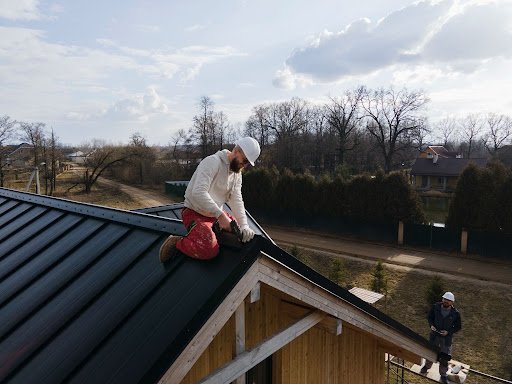
Roof Maintenance for Homeowners
Roof maintenance isn’t complicated, but it does require paying attention to small changes before they become expensive repairs.
For homeowners interested in roof maintenance for homeowners in Petaluma, CA, a few practical habits can help.
Watch for Visible Damage
- Missing shingles
- Lifted roofing materials
- Damaged flashing
- Visible debris
- Sagging areas
- Damaged roof edges
Pay Attention to Interior Signs
The inside of the home can provide early clues. Check ceilings and upper walls for:- New stains
- Peeling paint
- Bubbling surfaces
- Damp areas
- Musty smells
Keep Drainage Areas Clear
Leaves and debris can accumulate around roof drainage areas and contribute to water buildup. Keeping gutters and related drainage components maintained can help water move away from the roof and foundation as intended.Don’t Ignore Small Leaks
A small leak may seem manageable, especially if it only appears during heavy rain. But repeated moisture can affect materials beneath the roof. Addressing a known leak earlier can help prevent a minor roofing issue from becoming a larger repair.Roofing for Older Petaluma Homes
Older homes often require a little more investigation before roofing work begins.
A property may have been repaired or modified several times over its lifetime. Existing roofing materials, flashing details, roof penetrations, and previous repairs may all affect the current condition.
Existing Roofing Materials
Older roofs may contain materials or multiple layers that require evaluation before replacement.
The condition of the underlying roof deck can also become important once existing materials are removed.
Previous Repairs
A roof that has been repaired several times may have different materials or repair methods in various areas.
If the same location continues to leak, it may indicate that the original cause hasn’t been fully addressed.
Roof Replacement Considerations
For homeowners considering roof replacement for older homes in Petaluma, CA, the decision should be based on the overall condition of the roof rather than age alone.
Important considerations can include:
- Extent of existing damage
- Condition of roofing materials
- Previous repairs
- Roof decking
- Flashing
- Water intrusion
- Expected remaining service life
- Long-term maintenance needs
A practical evaluation can help determine whether repairing the current roof or planning for replacement makes more sense.
Roofing and Local Weather Conditions
Preparing Before Rainy Weather
If you already know that a roof has damaged shingles, deteriorated flashing, or an active leak, waiting until heavy rainfall arrives can make the situation more difficult. Addressing known roofing concerns ahead of wet weather can help reduce the risk of additional moisture entering the home.Drainage Matters Beyond the Roof
Roofing is connected to the home’s larger water-management system. Water needs to move from the roof into the appropriate drainage system and away from vulnerable areas of the property. When roofing work is combined with exterior improvements, we also consider how roof runoff interacts with:- Gutters
- Downspouts
- Grading
- Foundations
- Patios
- Walkways
- Landscaping
A Practical Approach to Roof Repairs
Not every roofing problem requires a complete replacement.
TIG Construction focuses on understanding the condition of the roof and matching the work to the actual problem.
That may mean a targeted repair, flashing work, replacement of damaged shingles, broader maintenance, or a discussion about replacing an aging roofing system.
The important thing is to make the decision based on the home’s condition, your long-term plans, and the scope of the problem—not simply on the appearance of one damaged area.
If you’ve noticed a leak, damaged shingles, or signs of moisture inside your home, contact TIG Construction to discuss what you’re seeing and determine the appropriate next step.
Why Homeowners Choose TIG Construction for Roofing Work
Clear Communication From the Start
You should know what problem is being addressed and what the work involves. We focus on straightforward communication about the condition of the roof, recommended repairs, materials, scheduling, and any issues that may affect the project. If additional damage becomes visible during the work, it should be discussed rather than simply overlooked.Realistic Scheduling
Roofing work is affected by weather, material availability, roof condition, and project scope. Rather than treating every repair as though it has the same timeline, we consider the actual work involved and plan accordingly. For exterior projects, weather conditions are especially important because roofing materials and construction activities may require suitable conditions for installation.Careful Preparation
Good roofing work starts before new materials are installed. Preparation may include removing damaged materials, evaluating the underlying area, addressing flashing or moisture concerns, and making sure surfaces are ready for the next stage. Skipping necessary preparation can leave the original problem unresolved.Organized Job Sites
Roof repairs can generate old shingles, packaging, debris, and other construction materials. Keeping the work area organized helps protect the property and makes cleanup more manageable. At the end of the project, the surrounding area should be checked for construction debris and the work should be reviewed carefully.Respect for Your Home
Roofing work can affect more than the roof itself. Materials may need to be moved around the property, ladders and equipment may be used, and workers may need access to different areas of the home. We take reasonable care around the property and aim to keep disruption under control throughout the project.Attention to Detail
Small roofing details can have a major effect on water management. Flashing, roof transitions, penetrations, edges, valleys, and material connections all deserve careful attention. A repair should address the cause of the problem rather than simply making the damaged area look better.Common Roofing Projects We Complete
Residential Roof Leak Repairs
If water is entering the home, the first priority is identifying the likely source and determining what needs to be repaired. The appropriate solution depends on the roofing material, location of the leak, extent of damage, and overall condition of the roof.Shingle Repairs
Damaged or missing shingles can allow water to reach the layers beneath the roofing surface. When damage is limited, replacing affected shingles may help restore the area without replacing the entire roof.Roof Flashing Repairs
Flashing around chimneys, vents, roof-to-wall transitions, and other openings can deteriorate over time. Repairing or replacing damaged flashing can help restore proper water management around these vulnerable areas.Roof Replacement
When a roof has widespread deterioration or repeated problems, replacement may be more practical than continuing with individual repairs. A replacement project may include removing existing roofing materials, evaluating the underlying structure, installing new roofing materials, and addressing related flashing and drainage details.Roof Maintenance
Routine attention can help identify problems before they become active leaks. Maintenance may involve checking visible roofing materials, drainage areas, flashing, and other accessible components for signs of deterioration.Roofing for Home Additions
A new room addition often requires the existing roof and new roof structure to work together. Roofing may therefore become part of a larger residential construction project involving framing, foundation work, siding, windows, insulation, and interior finishes.More Residential Construction Services
Roofing problems sometimes occur alongside other home improvement needs.
TIG Construction provides broader residential construction and remodeling services, allowing related work to be considered when it makes sense for the property.
Services may include:
- Residential remodeling
- Home additions
- Kitchen remodeling
- Bathroom remodeling
- Framing
- Drywall
- Flooring
- Interior and exterior painting
- Siding
- Windows and doors
- Concrete work
- Patios
- Walkways
- Retaining walls
- Deck construction
- Garage improvements
- Structural repairs
- Demolition
- Finish carpentry
For example, a roof replacement may be part of a larger exterior renovation involving siding, windows, or other improvements. A roof repair may also uncover moisture-related damage that needs to be addressed before interior finishes are restored.
Planning related work together can help homeowners avoid treating connected construction problems as completely separate projects.
A Roofing Project Should Solve the Right Problem
The goal of roof repair isn’t simply to stop water from appearing on the ceiling for a short time.
A proper repair should consider why the water entered in the first place.
That may mean addressing damaged shingles, deteriorated flashing, roof penetrations, drainage, or another roofing component.
For older homes, the condition of the overall roofing system should also be considered. If a roof has experienced repeated repairs, widespread deterioration, or ongoing moisture problems, replacement may provide a more practical long-term solution.
TIG Construction takes a straightforward approach: evaluate the problem, understand the scope, explain the available options, and complete the work with appropriate preparation.
Whether you have an active leak, damaged shingles, aging roofing materials, or you’re simply unsure about the condition of your roof, starting with an evaluation can help you make a more informed decision.
Ready to Address Your Roof Problem?
A roof leak is easier to deal with when you understand what’s causing it and what your options are.
Whether you’ve noticed a ceiling stain, damaged shingles, deteriorated flashing, or signs of moisture after rainfall, TIG Construction can help you evaluate the situation and determine the appropriate next step.
We provide residential roof leak repair in Petaluma, CA, along with roof repairs, replacement, and related residential construction services.

You don’t have to decide on repair versus replacement before contacting us. Start by explaining what you’ve noticed, and we can discuss the condition and scope of the work.
Read more
- Hardscaping Petaluma, CA
Start Your Roofing Project
[Request a Construction Estimate]
[Schedule Your Roof Consultation]
[Speak With Our Construction Team]
Let’s Get Started
- Request a Construction Estimate
- Schedule Your Consultation
- Discuss Your Remodeling Plans
- Speak With the TIG Construction Team
Services
Contact TIG Construction
Address:
7 Alma Court
Petaluma, CA 94952
Phone:
707-205-6480
Email:
groupinfinityconstruction@gmail.com
Business Hours:
Contact TIG Construction to confirm current availability and schedule a roofing consultation.
Frequently Asked Questions
How do I know if my roof has a leak?
Common signs include ceiling stains, damp drywall, peeling paint, musty odors, wet insulation, or water appearing after rainfall. A visible interior stain does not always show where water entered the roof.
- Can a small roof leak become a bigger problem?
Yes. Continued moisture can affect roofing materials, decking, insulation, framing, drywall, and other parts of the home.- Should I wait until it rains again to investigate?
No. If you’ve already noticed signs of water intrusion, having the source evaluated sooner can help prevent additional damage.
- Should I wait until it rains again to investigate?
How much does residential roof leak repair cost in Petaluma?
The cost depends on the source and extent of the leak, roofing material, accessibility, required repairs, and the overall condition of the roof.
- Is a roof repair cheaper than replacement?
Often, a localized repair costs less than replacing the entire roof, but replacement may make more sense when the roofing system has widespread deterioration.- Can you repair only part of a roof?
Yes. If the damage is isolated and the rest of the roofing system remains in good condition, a targeted repair may be appropriate.
- Can you repair only part of a roof?
When should I repair or replace my roof?
A repair may make sense when damage is limited. Replacement becomes more relevant when the roof has widespread deterioration, repeated leaks, extensive damage, or is nearing the end of its useful life.
- What should I consider before replacing an older roof?
Consider the roof’s overall condition, previous repairs, roofing materials, flashing, decking, moisture damage, and expected remaining service life.- Is roof age the only factor?
No. Two roofs of the same age can be in very different conditions depending on materials, installation, maintenance, and weather exposure.
- Is roof age the only factor?
What causes roof leaks in residential homes?
Common causes include damaged shingles, deteriorated flashing, roof penetrations, damaged roof edges, poor drainage, storm damage, and aging roofing materials.
- Can flashing cause a roof leak?
Yes. Damaged or improperly sealed flashing around chimneys, vents, valleys, and roof-to-wall transitions can allow water to enter.- Where does water usually enter?
Vulnerable areas often include roof transitions, penetrations, valleys, flashing, and damaged roofing materials.
- Where does water usually enter?
How often should homeowners inspect their roofs?
Homeowners should pay attention to their roof regularly and consider professional evaluation when there are visible signs of damage, active leaks, or concerns about aging materials.
- What should I look for after severe weather?
Look for missing or damaged shingles, visible debris, damaged flashing, sagging areas, or new signs of moisture inside the home.- Can I inspect the roof myself?
You can check areas visible safely from the ground, but climbing onto a roof can be hazardous. Professional evaluation is preferable when the condition isn’t safely accessible.
- Can I inspect the roof myself?
What is involved in roof flashing repair?
Flashing repair involves addressing damaged or deteriorated material used to protect vulnerable roof transitions and openings.
- Where is flashing commonly found?
Flashing is commonly used around chimneys, vents, skylights, valleys, roof edges, and roof-to-wall transitions.- Why is flashing important?
It helps direct water away from areas where different surfaces or materials meet.
- Why is flashing important?
Can an older home need more than a simple roof repair?
Yes. Older homes may have previous repairs, aging materials, multiple roofing layers, deteriorated decking, or other conditions that need to be considered.
- Does an older roof always need replacement?
No. The decision should be based on its actual condition rather than age alone.- Can previous repairs affect the next repair?
Yes. Repeated repairs or different materials in the same area can make it important to evaluate the overall roofing system before deciding what to do next.
- Can previous repairs affect the next repair?
Can TIG Construction handle roof replacement as well as leak repairs?
Yes. TIG Construction can assist with residential roof leak repairs as well as larger roofing projects, including roof replacement when the condition of the existing system warrants it.
- Can roofing be part of a larger home improvement project?
Yes. Roofing may be coordinated with siding, windows, additions, exterior remodeling, or other residential construction work.- Can you help with other residential construction services?
TIG Construction also provides remodeling, additions, framing, drywall, flooring, painting, concrete, patios, decks, siding, windows, doors, and related construction services.
- Can you help with other residential construction services?